
← Back to Sightseeing
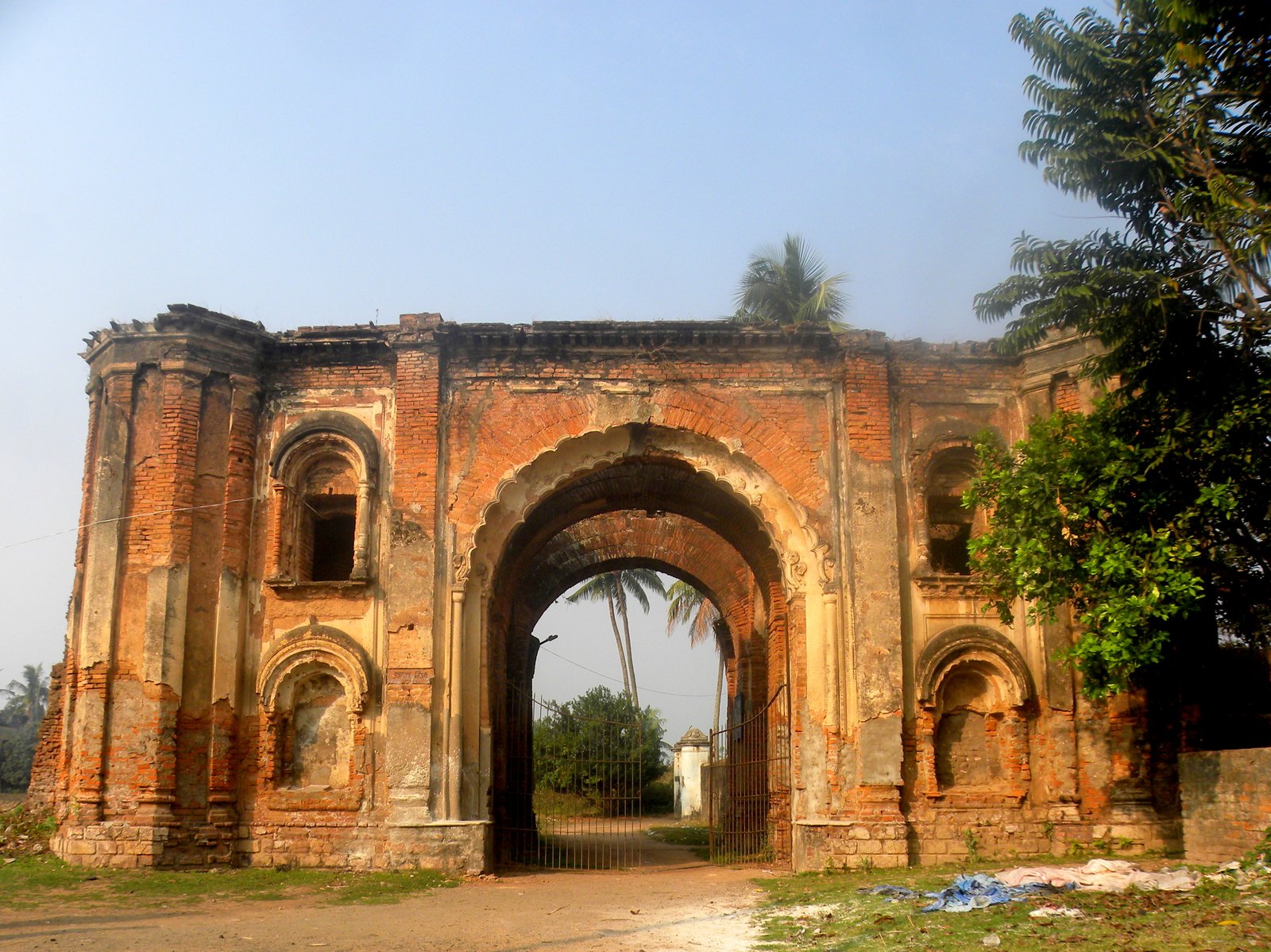
Jafarganj Cemetery & Namak Haram Deuri, Murshidabad
Distance
95 KM
from Tarapith
How to Reach
Private Car, Toto from Lalbagh
About this Place
The Jafarganj Cemetery in Murshidabad is the walled burial ground of Mir Jafar and his descendants — the family whose name became a byword for betrayal in Indian history. Spread over about 3.5 acres, the cemetery was established by Mir Jafar himself and contains more than a thousand graves of the Najafi dynasty, the line of Nawabs that ruled Bengal under British protection after 1757.
Here lie Mir Jafar Ali Khan — the commander-in-chief whose defection at the Battle of Plassey delivered Bengal to the East India Company — along with his son Miran (notorious for ordering the murder of Siraj-ud-Daulah), his wives Munni Begum and Babbu Begum, and the later Nawabs Nazim of Bengal down the generations. Unlike the garden serenity of Khoshbagh where Siraj rests, Jafarganj's crowded rows of graves tell the story of a dynasty that gained a throne but lost its honour.
Nearby stand the ruins of Jafarganj Palace, where Mir Jafar lived and died, and its famous gateway known forever in folklore as the 'Namak Haram Deuri' — the 'Traitor's Gate'. It was within this palace that the captured Siraj-ud-Daulah is said to have been brought and murdered by Mohammad-i-Beg in July 1757. Local guides still point out where the deed was done.
A visit here, combined with Khoshbagh across the river, completes the Plassey story — conspirator and victim, resting barely a few kilometres apart on either side of the Bhagirathi. History lovers find Jafarganj one of the most thought-provoking stops on the Murshidabad circuit.
Planning a visit? Book your stay in Tarapith first.
Find Hotels in Tarapith